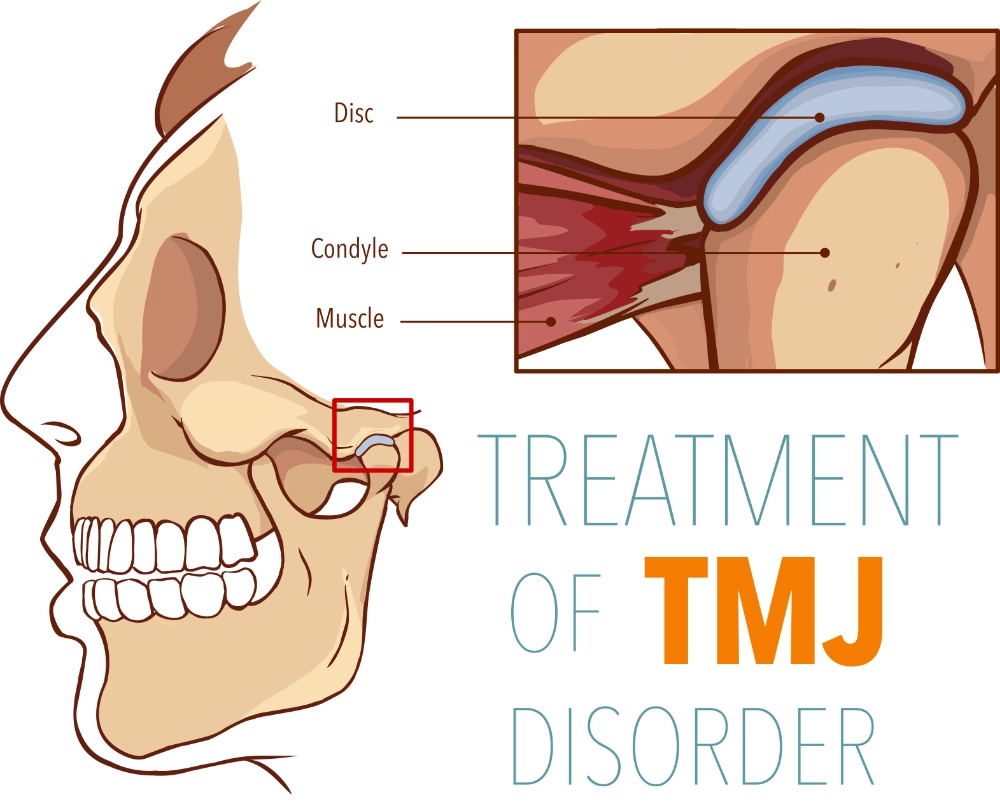
 That clicking jaw, the nagging headache behind your eyes, the ache that radiates from your face into your neck — if any of this sounds familiar, you may be dealing with temporomandibular joint (TMJ) dysfunction. It’s one of the most frustrating conditions to live with, partly because so many people don’t realize it’s treatable without medications or surgery. Chiropractic care has emerged as a highly effective, conservative approach to TMJ dysfunction — one that addresses not just the jaw itself, but the entire chain of spinal and muscular imbalances that often drive the condition in the first place.
In this article, we’ll break down what TMJ dysfunction actually is, why it develops, how it connects to the rest of your spine, and what chiropractic treatment can do to help you find lasting relief.
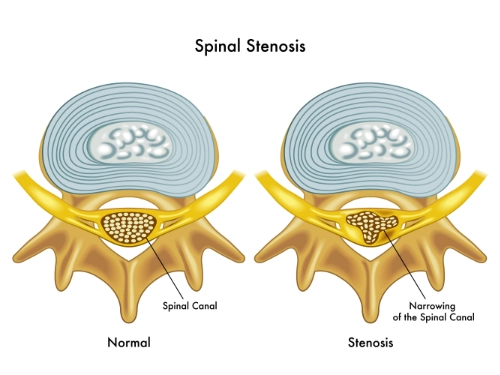 If you’ve been told you have

 Think about how many hours a day you spend looking down at a phone, hunched over a laptop, or craning your neck toward a computer screen. If you’re like most people, that number is higher than you’d care to admit. And if your neck has been aching, your shoulders have been tight, or you’ve been dealing with more headaches than usual, there’s a very good chance your screen habits are the culprit.
 There’s a reason
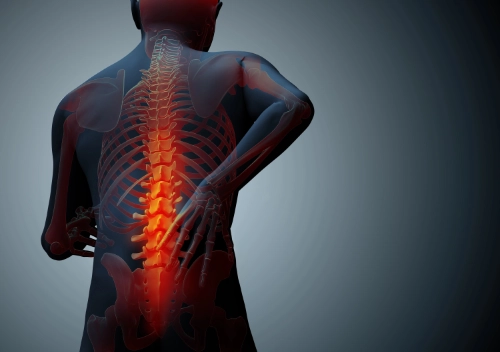
 You’ve been dealing with an ache in your lower back, hip, or groin that just won’t quit. You’ve tried stretching, rest, and maybe even a heating pad — but nothing seems to touch it. What makes it even more confusing is that every time someone looks at your lower back or hip, they can’t find anything obviously wrong. Sound familiar?
 You’ve been dealing with back pain for weeks — maybe months. It’s not quite in the middle of your back, not exactly in your leg, and no matter how you describe it, it just doesn’t seem to fit neatly into a category. Sound familiar? For many patients, the culprit turns out to be one of two commonly misunderstood conditions:
 If you’ve been dealing with nagging back or neck pain that seems to flare up every time you twist, bend backward, or stand for too long, there’s a good chance your facet joints may be the culprit.
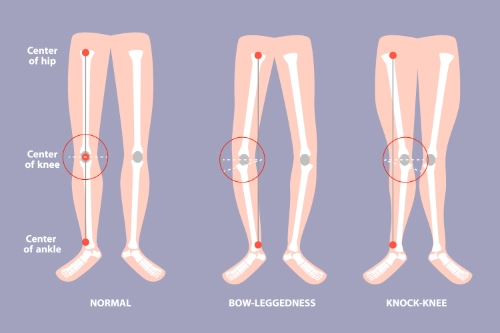 If you’ve ever noticed that your knees bow outward when you stand or seem to angle inward and touch when your ankles are apart, you may be dealing with a condition known as

