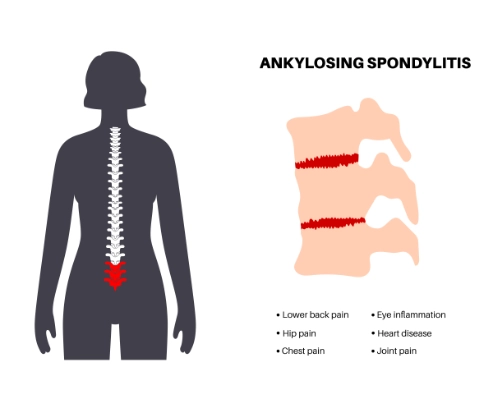
How Chiropractic Care Can Help Ankylosing Spondylitis

How Chiropractic Care Can Help Ankylosing SpondylitisIf your lower back feels stiff and achy every morning, loosens up after a hot shower and some movement, and then flares again after you sit for a while, you might assume it’s just ordinary back pain. But for some people, that pattern points to something different: ankylosing spondylitis, a form of inflammatory arthritis that targets the spine. It often starts young, it’s frequently missed for years, and it can slowly rob you of flexibility if it isn’t managed well. The encouraging part is that staying active and keeping your spine moving makes a real difference, and that’s exactly where chiropractic care can play a valuable supporting role alongside your medical team.

In this article, we’ll walk through what ankylosing spondylitis is, what causes it, the symptoms to watch for, and how a chiropractor can help you manage stiffness, protect your posture, and keep doing the things you love.

[Read more…]

How Chiropractic Care Helps Kyphosis (Hunched Upper Back)

How Chiropractic Care Helps Kyphosis (Hunched Upper Back)Have you caught your reflection in a store window lately and noticed your shoulders rolling forward and your upper back looking more rounded than it used to? You’re not alone. A hunched upper back, known clinically as kyphosis, is one of the most common postural changes we see in our office, and it affects everyone from teenagers glued to their phones to adults in their 60s and 70s. The good news is that chiropractic care offers a gentle, drug-free way to ease the stiffness and pain that come with kyphosis, improve how your spine moves, and help you stand taller with less effort.
In this article, we’ll walk through what kyphosis is, what causes it, the symptoms to watch for, and how a chiropractor approaches treatment. We’ll also explain what you can realistically expect along the way.

[Read more…]

How Chiropractic Care Helps Restore Your Natural Neck Curve

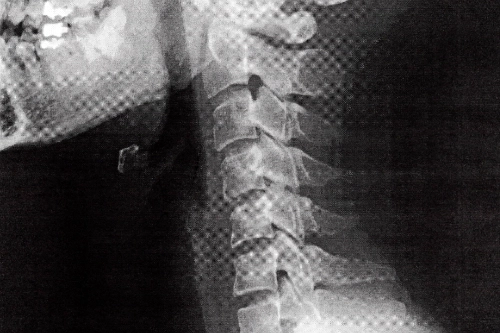
chiropracticIf you’ve ever had a neck X-ray and heard the words “your neck is too straight,” you might have been a little confused. Isn’t straight good? When it comes to your cervical spine, not exactly. A healthy neck has a gentle forward curve, and when that curve flattens out or reverses, it’s often called military neck. The good news is that chiropractic care offers a conservative, drug-free way to address the neck pain, stiffness, and headaches that often come with it, and to work toward better spinal alignment over time.

In this article, we’ll walk through what military neck actually is, what causes it, the symptoms to watch for, and how a chiropractor can help you feel better without relying on medications, injections, or surgery.

[Read more…]

How Chiropractic Care Helps Facet Joint Pain

How Chiropractic Care Helps Facet Joint PainIf your back or neck hurts when you lean backward, twist to grab something from the back seat, or stand still for too long, your facet joints may be to blame. Facet joint pain is one of the most common sources of spinal pain, and it often gets overlooked or lumped in with a general diagnosis of “back pain.” The good news is that chiropractic care offers a gentle, drug-free way to restore motion to these small but important joints, ease inflammation, and get you back to living without that nagging stiffness.
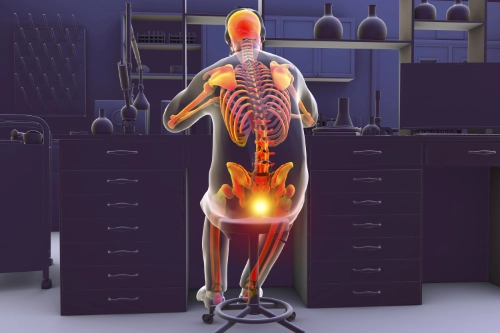
In this article, we’ll explain what facet joints are, why they become painful, the symptoms to watch for, and how a chiropractor can help you find lasting relief without relying on injections or surgery.

[Read more…]

How Chiropractic Care Can Help Tailbone Pain (Coccydynia)

How Chiropractic Care Can Help Tailbone Pain (Coccydynia)If sitting down has become something you dread, you’re not alone. Tailbone pain, known clinically as coccydynia, can turn everyday moments like driving to work, sitting through a meeting, or settling onto the couch into an uncomfortable ordeal. Many people assume they just have to wait it out or rely on a donut cushion forever. The good news is that chiropractic care offers a gentle, drug-free approach that addresses the mechanical problems behind tailbone pain rather than simply masking the discomfort.

In this article, we’ll walk through what coccydynia is, what causes it, the symptoms to watch for, and how a chiropractor can help you sit, stand, and move comfortably again.

[Read more…]

How Chiropractic Care Helps Scoliosis Pain and Spinal Function

How Chiropractic Care Helps Scoliosis Pain and Spinal FunctionMaybe a school screening flagged your child’s uneven shoulders. Maybe you’re in your fifties and your doctor mentioned the word “scoliosis” after reviewing an X-ray for back pain. Either way, hearing that your spine curves sideways can be unsettling, and it usually leads to a lot of questions. Will it get worse? Do I need a brace? Is surgery the only real fix? For many people, chiropractic care offers a conservative, drug-free way to manage scoliosis-related pain, stiffness, and posture changes while keeping a close eye on how the curve behaves over time. In this article, we’ll walk through what scoliosis is, why it happens, what symptoms to watch for, and how a chiropractor can fit into a smart, well-rounded scoliosis treatment plan.

[Read more…]

Degenerative Disc Disease and How Chiropractic Care Can Help

chiropracticIf you’ve been told you have degenerative disc disease, the word “disease” alone can be enough to send you into a spiral of worry. Here’s the first thing worth knowing: despite the name, degenerative disc disease (DDD) isn’t actually a disease at all. It’s a natural, age-related change in the discs that cushion your spine, and for many people it causes little to no pain. When it does cause pain — stiffness, aching, or nerve-related symptoms that radiate into the arms or legs — chiropractic care offers a conservative, non-invasive way to manage symptoms, improve spinal function, and help you avoid the more aggressive route of injections or surgery. Let’s break down what’s actually happening in your spine, why it happens, and what a chiropractor can realistically do about it.

[Read more…]

How Chiropractic Care Helps Cervicogenic Headaches

How Chiropractic Care Helps Cervicogenic HeadachesNot every headache starts in your head. If your headaches tend to begin at the base of your skull, wrap around to one side, and worsen after a long day at a desk or a poor night’s sleep, the real source may be your neck. These are called cervicogenic headaches, and they’re one of the most common headache types that respond well to chiropractic care. Because the problem originates in the cervical spine rather than the brain itself, addressing the underlying joint dysfunction and muscle tension in the neck can bring lasting relief — often without relying on daily pain medication.
[Read more…]

How Chiropractic Care Can Help Achilles Tendinopathy

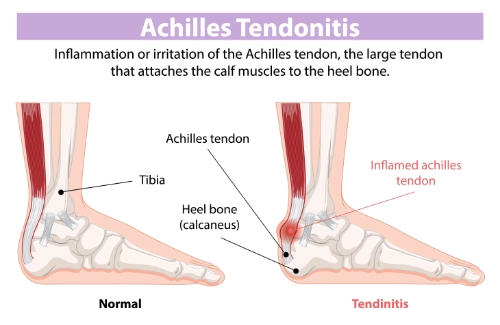
How Chiropractic Care Can Help Achilles TendinopathyIf every step feels like it starts with a deep, nagging ache in the back of your heel or lower calf, you may be dealing with Achilles tendinopathy. This condition is one of the most common overuse injuries affecting runners, weekend athletes, and even people who simply spend a lot of time on their feet. The good news is that chiropractic care offers a conservative, non-invasive path to recovery that addresses not just the painful tendon itself, but the biomechanical issues throughout the leg, foot, and spine that often contribute to the problem in the first place.
[Read more…]

Can Chiropractic Care Help Relieve Plantar Fasciitis?

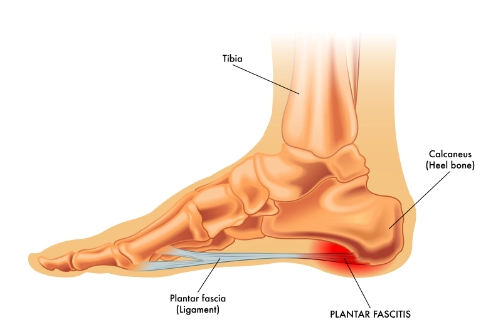
Can Chiropractic Care Help Relieve Plantar Fasciitis?If your first steps out of bed each morning feel like you’re stepping on broken glass, you’re likely dealing with plantar fasciitis, one of the most common causes of heel pain in adults. While many people reach for anti-inflammatory medication or resign themselves to expensive orthotics and cortisone shots, chiropractic care offers a conservative, whole-body approach that addresses not just the painful heel, but the biomechanical chain that caused it in the first place.

[Read more…]